There’s a moment in every home makeover journey when you pause, look around, and think, “Something’s missing.”
It usually happens after the furniture is placed, the curtains are up, and the walls are painted. The house looks complete, yet it doesn’t feel alive. It doesn’t reflect personality, warmth, or intention. Many Indian homeowners experience this exact feeling, the desire to turn a space into a sanctuary.
A few years ago, interior design was mainly about matching sofa sets and picking a safe wall colour. But today, homes are more personal. They are multifunctional and emotional spaces where families work, relax, celebrate, host, rest, and sometimes even escape the outside world.
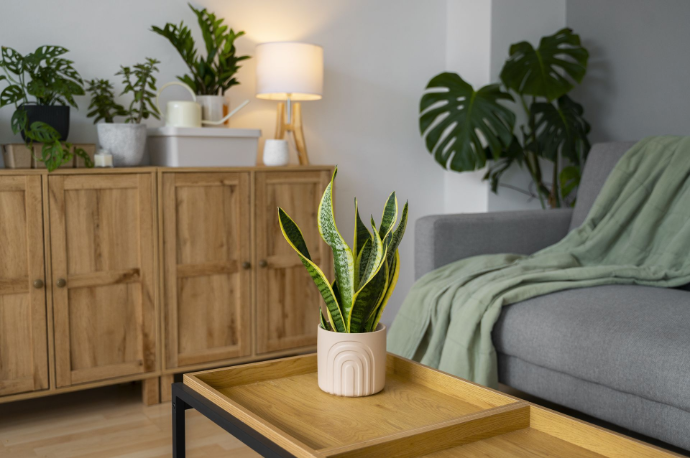
As lifestyles change, so do interiors.
In 2026, the biggest shift in Indian home design is the move toward warmth, texture, practicality, and individuality. People now want spaces that look beautiful, work smartly, and feel emotionally comforting. Instead of simply filling rooms, homeowners are curating elements that tell a story through natural materials, modern wall panels, cosy lighting, thoughtful colours, and practical layouts. wall panels, cosy lighting, thoughtful colours, and practical layouts.
Interior trends are no longer short-lived fads. They are solutions inspired by global design but adapted beautifully for Indian homes, climate, and everyday habits.
Whether you’re planning a complete renovation or just updating a single wall, the trends of 2026 will help you create a space that feels premium, timeless, and uniquely yours.
Let’s explore the Top 7 Interior Design Trends shaping Indian homes in 2026 and how you can bring them into your space with smart, stylish, and practical choices.

1.Earthy Vibrancy & Warm Minimalism
Designers are moving away from stark white and cool grays. Instead, warm neutrals and deeper, nature-inspired hues are taking centre stage. The palette for 2026 is called “earthy vibrancy”; think ochre, olive green, muddy blues, deep plums, and rich browns.
Also trending is warm minimalism: minimalist in structure but rich in texture, tone, and comfort rather than cold minimalism.
Why it suits Indian homes
- Warmer palette complements Indian daylight, region-specific lighting, and cultural furnishings.
- Earth-based colours pair beautifully with wood, stone, rattan, and other materials that are already popular in Indian interior decor.
- The warm minimalism approach works well for urban Indian apartments where space is limited but style and comfort are essential.
Practical tips
- Walls & accent features: Choose a main wall colour in a warm neutral (eg. creamy taupe, soft terracotta) and highlight one feature wall in muted olive or deep plum.
- Furniture & accessories: Keep major furniture pieces in neutral tones (sand, off-white, light wood) and introduce accent colours via cushions, rugs or side tables in richer tones.
- Lighting: Use warm-white (2700-3000 K) bulbs rather than cool-white. Add layered lighting, ambient, task and accent to enhance warmth.
- Textiles: Natural fabrics like linen, jute, cotton in warm tones. A muted pink throw or burnt-sienna cushion works as a modern touch.
- Urbane Decor fit: Choose wall panel finishes in warm wood tones, mellow stone textures, or muted matte pastel panels to align with this palette.
For example, using your louvers in a warm walnut finish or a fluted panel in dusty olive will hit the trend perfectly.

2. Textured & Sculptural Wall Treatments
Flat finishes are being replaced by tactile surfaces: fluted wood panels, 3D tiles, sculptural reliefs, lime or mud plaster textures, and smart responsive surfaces.
Why it matters for Indian homes
- Adds richness and depth, making an “ordinary” wall become a design feature.
- Works especially well for TV wall, entry foyer, master bedroom head-wall — spaces where you want impact.
- Helps improve acoustics (in apartments), especially when paired with panels or louvers.
- These treatments reflect rising interest in craftsmanship, and Indian homes are beginning to incorporate artisan textures.
Practical tips
- Choose the right location: Pick one wall per major room to texture, e.g., the wall behind the sofa, headboard, or dining area. Overdoing multiple textured walls might feel heavy.
- Match scale to space: In smaller rooms, go with subtle texture (thin fluting, shallow relief). In larger rooms, you can go deeper (bold ribs, wide flutes).
- Colour coordination: Use textured panels in tones from trend #1 (warm neutrals or earthy vibrancy) so the texture stands out without clashing.
- Material mix: Combine textured wall with plain walls painted in complementary tones. Use natural materials (wood veneer, stone-look panels) for authenticity.
- Brand opportunity: Urbane Decor’s wall panel range (louvers, fluted, stone-look) is a perfect match for highlighting how customers can easily upgrade a room with one feature wall.
- Maintenance tip: For high traffic areas (entry halls, living room), choose panels that are easy to clean and durable. Use soft-matte finishes that conceal fingerprints and smudges.

3. Smart, Multi-Purpose & Flexible Layouts
With space becoming premium in Indian cities and lifestyles blending work, leisure, and family time, layouts are shifting. Homes are becoming more flexible, adaptive, and smart. Designers are integrating multipurpose furniture, concealed storage, built-in panels, sliding partitions, and smart home tech that blends into interiors.
Why Indian homes need this
- Many urban Indian homes are compact; maximizing every sq ft is critical.
- Work-from-home, kids doing online classes, need for family zones and quiet zones — flexibility helps.
- Indian families often entertain guests; having convertible furniture or hidden storage means a cleaner, more organised living space.
Practical tips
- Zoning: Use furniture and design elements (like a fluted panel or partial screen) to divide zones (living/dining, work/relax) without building full walls.
- Hidden storage: Use built-in cupboards behind wall panels, drawers under benches, sliding wardrobes behind decorative panels.
- Modular furniture: A sofa bed, extending dining table, fold-away work-desk — these adapt to changing needs.
- Smart-integrated interiors: Use motorised blinds, automated lighting in living/dining; but ensure they are visually subtle and compatible with your wall-panel aesthetics.
- Brand fit: Emphasise how Urbane Decor’s wall panels double as cladding and concealing zones for hidden cabinets, wiring, or smart tech.
- Tip for families: In a home with kids or multi-generational living, consider dual-use rooms (e.g., guest/child study) and design accordingly.

4. Sustainable, Craft-Driven & Natural Materials
Sustainability is no longer a buzzword; it’s a design foundation. Homes are being built with eco-friendly materials (low-VOC paints, reclaimed woods, rattan, bamboo), artisan textures, and biophilic touches (plants, natural light, stone finishes).
Why it matters for Indian homes
- Indian climate and culture already lend themselves to natural materials; bringing this into interiors improves comfort and connects with heritage.
- Families want healthy indoor environments (less off-gassing, better air).
- Craft-based elements (hand-carved panels, block prints) add uniqueness and longer life to interiors.
Practical tips
- Material checklist: For wall panels choose options like FSC-certified wood veneer, recycled PET panels, cane/rattan textures.
- Craft integration: Use artisan-made panels or accents in key spots—entry wall, dining side wall—to make a statement.
- Green corners: Incorporate indoor plants, vertical planters, natural light to enhance biophilic connection.
- Maintenance: Choose finishes that are durable and treatable for Indian conditions (humidity, dust, sun).
- Brand fit: Urbane Decor can highlight its sustainable product lines (if any) or materials sourced responsibly, underlining that luxury can be eco-friendly.

5. Accent Walls That Tell a Story
Rather than decorating every wall, homeowners rely on one feature wall to make an impact. This year, the accent wall becomes more expressive: deeper textures, larger-scale panels, and bold materials like metal strips, mirror-acrylic, and alabaster sheets. alabaster sheets.
Why Indian homes can leverage this
- Accent walls let you invest where the eye naturally rests (the living room, entry, or master bedroom).
- Helps manage the budget. One bold wall gives a big impact without turning the whole house into a high-budget project.
- Works well in apartments where other walls may need to remain simple for flexibility.
Practical tips
- Choose focal point: In the living room, use the TV wall or backdrop; in the dining room, use the wall behind the dining table; in the bedroom, use the headboard wall.
- Design it well: Combine panel materials, lighting, and minimal décor in front. For example, a fluted panel, a warm spotlight, and a low cabinet create depth and calm.
- Colour and finish clarity: Ensure the accent wall material complements surrounding furniture and colours, not clash.
- Durability: Choose materials with good surface finish to handle dust, kids, cleaning.
- Brand fit: Emphasise your wall-panel collections (fluted, louvers, mirror-acrylic) as ready solutions to achieve that standout accent wall in Indian homes.

6. Mix of Old + New: Modern Eclectic with Indian Roots
2026 will see more homes with personality, mixing vintage or craft-inspired elements with contemporary forms. Think brass accents + matte-black hardware, rattan furniture beside fluted panels, and ethnic prints with modern silhouettes.
Why Indian homes suit this
- India has rich craft traditions and heritage textiles; combining them with modern interior design gives authenticity.
- Families often have heirloom furniture or ethnic pieces; this trend allows integration rather than replacement.
- Guests expect a blend of style, warmth, and cultural identity; this trend delivers it.
Practical tips
- Start with a modern base: Wall panels in clean, simple lines (as above) as the backdrop.
- Layer in craft or vintage pieces: A carved wooden console, brass lamp, hand-loom cushion.
- Limit mixing to avoid clutter: Choose one or two craft elements in each room; too many styles can feel chaotic.
- Colour connections: Use accent colours from trend #1 to unify craft pieces with a modern base.
- Brand fit: You could highlight how your wall panels serve as a modern base, so homeowners can layer in their ethnic/vintage pieces efficiently.

7. Smart Interiors & Wellness-Driven Spaces
Homes are becoming not just places to live but places that support wellness, mood, productivity, and tech integration. Designers predict dedicated meditation spaces, reading pods, bright lighting, and integrated interiors where the tech disappears into the design.
Why Indian homes are perfect for this
- Indian homes often have extended families and multiple generations. Having quiet zones, wellness corners, and smart lighting improves the quality of life.
- Work-from-home and hybrid lifestyles mean spaces must adapt, with more need for storage, hidden tech, and flexible rooms.
- Indian daylight, open balconies, indoor/outdoor flow offer opportunities for wellness design (plants, fresh air, natural light).
Practical tips
- Design a wellness nook: Use a corner (maybe near a window) for yoga/meditation—floor cushions, soft lighting, natural textures.
- Smart lighting & zoning: Use dimmable lights, layered lighting in multi-purpose rooms; integrate lighting with wall panels so circuits stay hidden.
- Tech discreetness: Hide speakers, wiring behind wall panels; choose panels with built-in channels for cables.
- Air & light: Ensure good daylight, natural ventilation. Use light-colour wall panels and reflective surfaces to amplify light in Indian homes.
- Brand fit: Emphasise how your wall panels allow hidden wiring, neat finishes, and can serve as smart feature walls in wellness zones or living spaces.

Final Thoughts
2026’s interior design for Indian homes is about balance, warmth, and minimalism; texture and simplicity; craft and modernity; and wellness and utility. The good news: you don’t need a huge budget to embrace these trends. Strategic upgrades, especially feature walls, innovative layouts, and natural materials, make a big impact.
If you’re looking to transform your home, start with one focal element (say a fluted wall panel or louvers from Urbane Decor) and build the room around that. Then layer in warm colours, natural materials, and smart functionality.
Frequently Asked Questions
1. I live in a small apartment. Which trends should I follow first?
Start with warm minimalism, one accent wall, and smart storage. That means:
- Soft neutral walls
- One panelled wall (living or bedroom)
- Multi-purpose furniture and vertical storage
This will make your home look bigger, organized and stylish.
2. Are wall panels durable for Indian homes with kids and frequent cleaning?
Yes, good-quality panels are designed for regular use. Choose panels with scratch-resistant and easy-to-clean surfaces. Avoid very glossy panels in high-touch areas if fingerprints bother you; go for matte or soft sheen finishes.
3. Can I follow these trends on a budget?
Absolutely. You don’t need to redo the whole house. Try:
- One feature wall with panels
- A few cushions, rugs and lights matching the new colour palette
- Small storage upgrades and rearranging furniture
These changes alone can make your home feel new.
4. Which rooms should I prioritise for a makeover?
Start with the spaces you use most and that guests see first:
- Living room
- Dining area
- Master bedroom
If budget is tight, even only the living room panel wall and lighting upgrade can make a big difference.
5. Do these trends go out of fashion quickly?
These 2026 trends are built around timeless ideas, natural materials, warm colours, smart use of space, and well-being. If you choose simple, elegant designs and good materials, your home will look stylish for many years.