
Quick Answer
PVC and WPC are the two most popular waterproof wall-panel materials in India, and both are fully waterproof and termite-proof. PVC panels are lighter and more affordable (from ₹99/sq ft), making them ideal for bathrooms, balconies and budget-conscious projects. WPC panels are denser and more rigid, with a more premium wood-grain finish (from ₹120/sq ft), making them the better choice for feature walls, TV units and office receptions. The right pick depends on the room and the finish you want, not on one being universally better.
Wall panels have become one of the most popular interior design choices for Indian homes in recent years — and for good reason. They transform bare walls into statement features, add texture and depth to any room, and require far less maintenance than traditional paint or wallpaper.
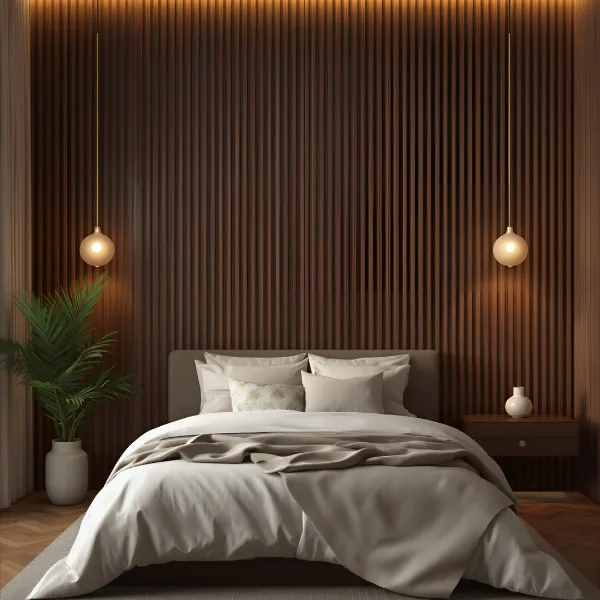
WPC flexible louver panels by Urbane Decor — natural wood look, built for Indian conditions
But when you start shopping for wall panels in India, you'll quickly come across two dominant materials: WPC (Wood Plastic Composite) and PVC (Polyvinyl Chloride). Both are widely used, both are marketed as durable and stylish — but they are not the same thing, and choosing the wrong one for your space can be a costly mistake.
In this guide, we break down the key differences between WPC and PVC wall panels so you can make an informed decision for your home.
What Are WPC Wall Panels?
WPC stands for Wood Plastic Composite. As the name suggests, WPC panels are made by combining wood fibre or sawdust with thermoplastic materials (usually polyethylene or polypropylene), along with binding agents and stabilisers.
The result is a panel that looks and feels closer to natural wood — with visible grain textures, a warm tone, and a more substantial weight — while offering the water resistance and durability of plastic.
WPC is commonly used for wall cladding, louvers, ceiling panels, and flooring. At Urbane Decor, our Flexible Louvers and Wudonn Panels are made using high-quality WPC formulations designed for the Indian climate.
What Are PVC Wall Panels?
PVC stands for Polyvinyl Chloride — a synthetic plastic polymer. PVC wall panels are made entirely from plastic, with no natural wood content. They are lightweight, fully waterproof, and typically less expensive than WPC panels.
PVC panels are often used in bathrooms, kitchens, and utility areas where moisture resistance is the primary concern. They are available in a wide range of colours and printed finishes, including wood-look and marble-look designs.
WPC vs PVC Wall Panels: Key Differences
| Feature | WPC Wall Panels | PVC Wall Panels |
|---|---|---|
| Material | Wood fibre + plastic composite | 100% synthetic plastic |
| Look & Feel | Natural, wood-like, premium | Plastic appearance, printed finishes |
| Durability | Very high — resists warping, cracking | High — but can warp under heat |
| Water Resistance | Excellent | Excellent |
| Weight | Heavier — more solid feel | Lightweight |
| Heat Resistance | Better — suitable for Indian summers | Can deform in direct sunlight / high heat |
| Eco-Friendliness | More sustainable — uses recycled wood | Petroleum-based, less eco-friendly |
| Cost | Higher — premium product | Lower — budget-friendly |
| Best For | Living rooms, bedrooms, offices, feature walls | Bathrooms, kitchens, utility areas |
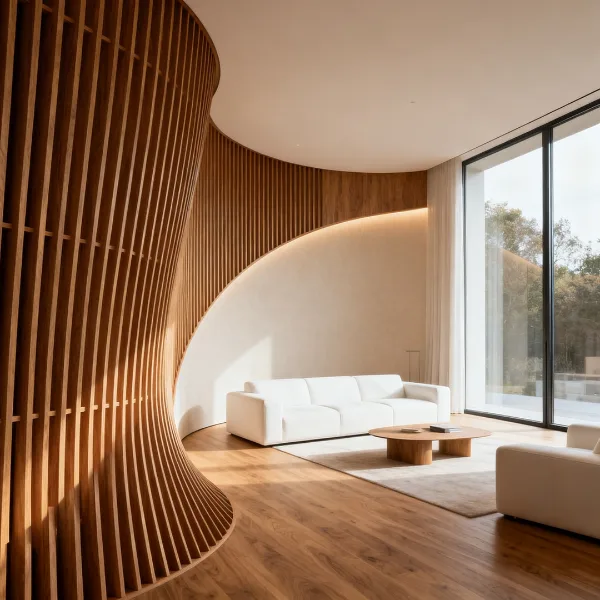
WPC panels can be bent around curves, columns and arches — unlike rigid PVC
Durability in the Indian Climate
This is where WPC has a clear edge. India's climate is harsh — high humidity in coastal cities like Mumbai, extreme heat in the north, and heavy monsoons almost everywhere. PVC panels, while waterproof, can become brittle over time when exposed to UV radiation and high temperatures, and may warp or discolour in south-facing rooms that receive direct afternoon sun.
WPC panels, with their composite structure, handle thermal expansion and contraction far better. The wood fibre content also means they don't develop the plasticky shine that cheaper PVC panels can acquire after a few years.
Aesthetics: Which Looks More Premium?
There's no contest here — WPC looks and feels significantly more premium than PVC. The wood fibre content gives WPC panels a natural depth of texture that printed PVC simply cannot replicate. Run your hand across a WPC panel and you feel grain and substance. Run your hand across a PVC wood-look panel and you feel plastic.
For living rooms, master bedrooms, home offices, and any space where you want guests to notice the detail — WPC is the choice. For utility spaces where aesthetics are secondary to function, PVC is perfectly adequate.
Installation and Maintenance
Both WPC and PVC panels can be dry-fitted using tongue-and-groove or clip systems, making them relatively straightforward to install. WPC is heavier, so wall anchoring needs to be more robust. PVC's lightweight nature makes it slightly easier to handle on site.
Maintenance is minimal for both — a wipe with a damp cloth is usually all that's needed. Neither requires painting, polishing, or sealing.
Which Should You Choose?
Here's a simple rule of thumb:
- Choose WPC if you want a premium, natural-looking finish in a living room, bedroom, dining area, or home office — and you're willing to invest in quality that lasts.
- Choose PVC if you're working on a tight budget, or for areas like bathrooms, kitchens, or utility rooms where function matters more than aesthetics.
At Urbane Decor, we specialise in premium WPC wall panels and cladding solutions designed specifically for Indian homes and commercial spaces. Our range includes Flexible Louvers, Charcoal Panels, and Wudonn Panels — all crafted from high-quality WPC composites that combine the warmth of natural wood with the durability your home demands.

Alabaster finish WPC panels — one of 100+ colour options available
Ready to upgrade your walls?
Browse our full range of WPC wall panels and get a free quote tailored to your project.
Get a Free QuoteFrequently asked questions
Which is better, WPC or PVC wall panels?
Both are waterproof and termite-proof. WPC gives a warmer, more premium wood-grain look and feel, while PVC is lighter and more budget-friendly. The right pick depends on the room and the finish you want rather than one being universally better.
Are WPC wall panels waterproof?
Yes. WPC (wood-polymer composite) panels are 100% waterproof and termite-proof, so they work in bathrooms, balconies and kitchens as well as living rooms and bedrooms.
Which is cheaper, WPC or PVC?
PVC (Clvin) panels start lower, from around ₹99/sq ft, while WPC (Wudonn) panels start from around ₹120/sq ft for the denser, more wood-like finish.
Can WPC and PVC panels be used in bathrooms?
Yes. Both are moisture-proof and will not warp, swell or rot, which makes them well suited to bathrooms, kitchens and other wet areas.
Which lasts longer, WPC or PVC?
Both are durable, low-maintenance and long-lasting. WPC is denser and more rigid; PVC is lighter and easier to handle. Neither fades or swells with normal interior use.